
Rural Perspectives: The versatile goldenrod
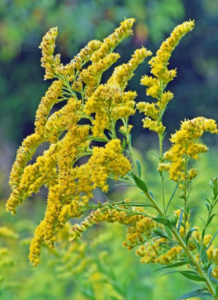
butterflies and moths. Photo credit Diane Constable
by Diane Constable
Did you know there are 23 species of goldenrod in Michigan?
Goldenrod is a favored fall food for monarchs and dozens of other butterflies and moths. Not only do they drink its nectar, but goldenrod also acts as a host plant for the caterpillars to feed on.
The plant also attracts many pollinators and the bees make a wonderful goldenrod honey. Some harmless wasps sting the plant to lay eggs in the stem, which results in ball-shaped growths where the larvae live and grow. Some of these galls can be as large as golf balls, but the plant is not harmed.
Did you know that some species are sold in garden nurseries because they make wonderful garden plants and are among the last plants to bloom in the fall?
And this plant does not cause hay fever. The culprit is the ragweed plant that blooms at the same time as goldenrod. The ragweed has a bland-looking flower and wind-blown pollen, while goldenrod pollen is quite heavy and not airborne.
It’s Latin name, Solidago, means to make whole, as goldenrod was once used in a wash to heal wounds. The goldenrod plant also has been used in the past as a treatment for inflammation, indigestion and even toothaches.
Fun Fact: The latex sap of goldenrod was used experimentally by Thomas Edison when he was looking for rubber substitutes. He used it to make rubber tires for his Model T Ford.
So, ignore the bum rap and enjoy this versatile plant!


Related Posts

Paid Political Advertisement

Clyde’s Corner: Oh, no! There go the crates into the pouring rain!