Faces of Addiction
Building a strong foundation for a new future within the Culture of Recovery
by Tina Cole-Mullins
(Editor’s Note: Faces of Addiction is a continuing series about people who experience drug addiction and the difficulty of recovery. By telling their stories, they hope to help others who are struggling and encourage them to seek treatment and healing.)
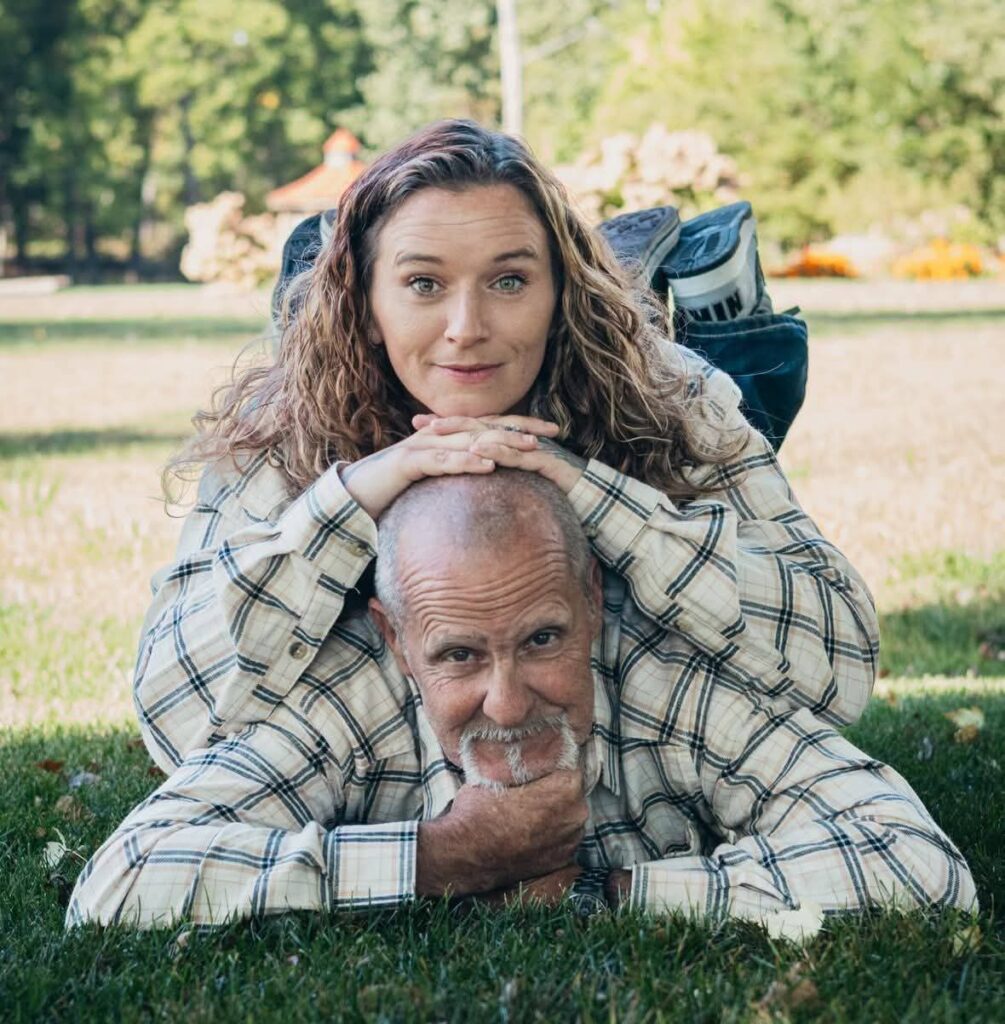
Last month, we closed with a glimpse into the next story rising from inside Andy’s Place: the story of Edward “Eddie” Forbes and his wife, Katrina. Their journey is one of the clearest examples of what recovery culture looks like when a strong foundation is added to someone’s daily life. Andy’s Place helped create part of that foundation.
Eddie grew up in Stockbridge, where addiction took hold early—alcohol and marijuana in his teens, then cocaine, and eventually methamphetamine. Two decades of use stripped away stability until he was living out of his car.
The shift wasn’t dramatic. It was the slow realization that he was out of moves. Nights spent trying to stay warm, days chasing the same cycle, all led to the hollow truth that nothing would change unless he changed.
“I realized not only the damage I did to myself but to the people around me—their families,” Eddie said.
He wasn’t surviving anymore; he was disappearing. That quiet clarity pushed him toward help and then eventually toward Andy’s Place as a resident manager.
He still pauses when he says, “I was homeless on the lot where I became resident manager.” It’s not just irony; it’s the distance between who he was and who he became.
Katrina’s story runs parallel. Her recovery began in heartbreak—losing both of her children with the termination of her parental rights. Two weeks into a jail sentence, something shifted.
“I realized if I’m not a mother, I’m nothing,” she said. “I didn’t want this life anymore.”
When she was reaccepted into treatment court, she entered a four-month program called SHARE.
“It was a lockdown facility,” she said, “but the whole time I was there, I never felt so free.”
She also learned a truth she still carries: “When your car breaks down in the addiction world, no one shows up unless they want something. In the recovery community, people will give you the shirt off their back. That became one of my loves.”
Healthy relationships came first, then purpose. She worked at ARE Inc., which stands for Activities, Recovery, Empowerment, then she and Eddie became resident managers at Andy’s Place. She and Eddie eventually stepped out of their residential roles, got their own place, and found their places in the world. Eventually, Katrina contracted with Jackson County Drug Court as a group facilitator and data entry support.
She goes on to proudly share, “Edward recently started his own construction business this year, as we took a leap of faith, building a life rooted in mutual respect and emotional sobriety.”
And here’s the part that matters for this chapter: Eddie and Katrina didn’t meet in treatment. They met about a year into sobriety—out in the world, when the ordinary rhythms of life were finally settling into place.
“If we had met before, we wouldn’t have made it,” Eddie told me. “We were two different people back then.”
Sobriety didn’t just give them a relationship; it gave them the versions of themselves capable of building one.
Today, Katrina serves as director at the ARE Inc. Hillsdale Drop-In Center and is a certified peer support specialist. Eddie has launched his own business. Their relationships—with each other and with their community—are grounded, reciprocal, and honest.
Recovery gave them their lives back, a community, and a future. Post-recovery, they have the support of people who show up without expecting anything in return.
Eddie and Katrina’s separate journeys reveal what a strong foundation can make possible inside the culture of recovery. Their stories show that change doesn’t come from dramatic moments, it comes from structure, honesty, accountability, and the quiet courage to start again. They didn’t meet in chaos; they met in sobriety, as versions of themselves capable of building something steady and real.
Next month, we step deeper into Katrina’s chapter—the heartbreak that shaped her turning point, the work that rebuilt her purpose, and the leadership role she now carries in the recovery community. Her story shows what happens when someone not only finds sobriety, but grows into the kind of person who helps others find it, too.
Resources:
Andy’s Place, Jackson, Michigan. Individuals can now apply through a referral from a recovery specialist or program. To apply for residency at Andy’s Place: andysangels.net/about-us/
Watch for ARE Inc. and the Hillsdale Drop-in Center to be discussed in more depth in a future “Faces of Addiction” installment.