Faces of Addiction: From a drug court to a culture of recovery
by Tina Cole-Mullins
(Editor’s Note: Faces of Addiction is a continuing series about people who experience drug addiction and the difficulty of recovery. By telling their stories, they hope to help others who are struggling and encourage them to seek treatment and healing.)
Last month, we revisited the Wright family, reflecting on how recovery is measured not just in years, but in seasons—each with its own challenges and gifts. As the new year begins, that truth feels especially clear. Recovery, like turning a page of the calendar, calls for reflection, renewal, and the courage to keep moving forward.
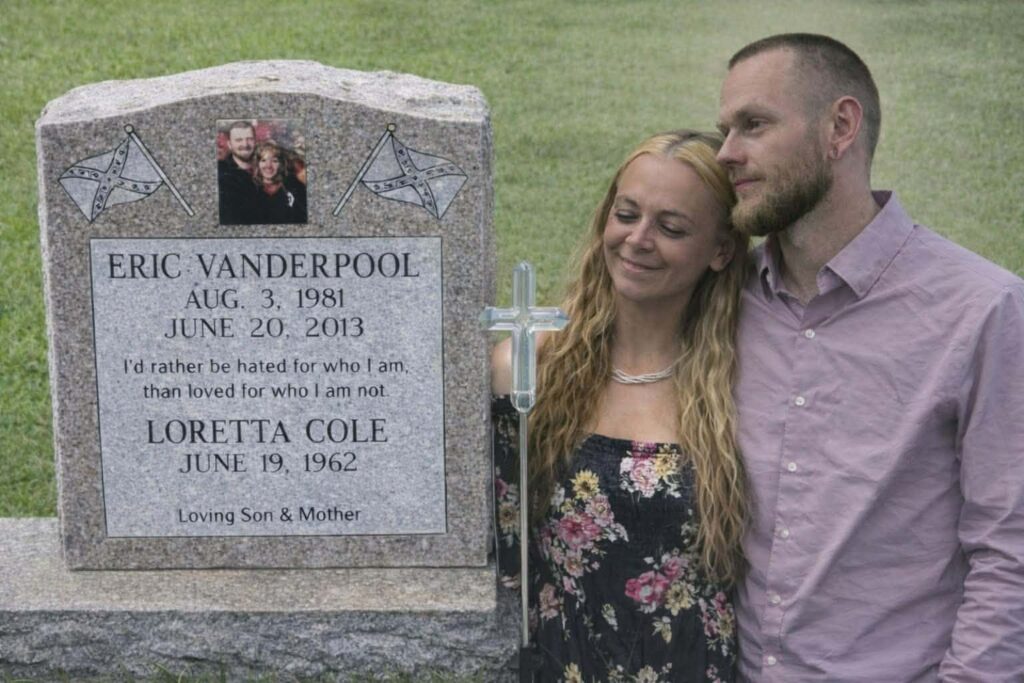
Cody Wright carries the loss of his brother Eric, who died in 2013. That grief reshaped Cody’s understanding of addiction. He now sees addiction as an illness that can devastate families across generations. His own recovery is deeply personal, yet part of a broader movement that honors pain, perseverance, and the ongoing work of healing.
This month, we widen the lens to explore what many call the Culture of Recovery. From the first thought of sobriety to long-term healing, each journey is its own mosaic piece. Together, these pieces form a tapestry of community. Recovery is not a single moment, but a series of choices made again and again, rewiring the brain and rebuilding a life.
Cody and his wife Marissa’s paths began separately. Cody entered Dawn Farm’s residential treatment programs, while Marissa found stability through intensive outpatient care and regular meetings. Different structures, different environments—yet both were rooted in commitment, accountability, and persistence.
Marissa’s journey carried its own challenges. She hid her addiction from her family, trying unsuccessfully to get clean on her own.
“Getting arrested was the best thing that ever happened to me,” she said. “I was denied rehab, but I had meetings, therapy, and recovery court.”
As it happened, what truly sustained her was the unwavering support of family. A cousin helped her rediscover joy in simple things—the slow relearning of life without substances. Her mother-in-law offered her a safe space when she had none, reminding her that family can be chosen as well as inherited.
“Recovery court was central to me getting sober, but I owe so much to this family,” Marissa shared. “Their freely offered love was healing in a way you can’t understand unless you’ve received it. Every day I choose not to use is another day I show others it’s possible.”
Today, Cody and Marissa walk recovery together. For them, healing looks like accountability, communication, and gratitude. Their stories show recovery is not one-size-fits-all. Cody’s path emphasizes structured residential support; Marissa’s reflects outpatient discipline and peer accountability. Both rely on connection—through transitional housing, meetings, and shared commitment—fully joining the Culture of Recovery.
Loretta Wright, Cody’s mother, has lived in the long shadow of addiction. Over time, her perspective shifted. She learned that love alone could not save her sons. Her hardest truth became her clearest wisdom: “Love has no power over addiction. Addiction has the power the addicted give to it.”
This time, she placed her faith in the court system and treatment.
As of 2024, Michigan has more than 130 drug/sobriety courts, acknowledging that accountability and compassion can coexist. Depending on the year, graduation rates exceed 60%, with recidivism nearly cut in half. According to “Solving Problems, Saving Lives. The FY2024 Problem-Solving Courts Annual Report,” published by the state of Michigan, in fiscal year 2024, the graduation rate at adult and juvenile drug/sobriety courts and family treatment courts was at its highest at 72%.
These outcomes are not abstract—they show up in real communities, like Andy’s Place in Jackson, where judicial oversight is paired with supportive housing so families can heal together. From courtroom to community, a Culture of Recovery is taking root—one where hope is shared and second chances become possible.
For Cody and Marissa, Andy’s Place wasn’t yet available; it was still in the planning phase. Therefore, this couple’s journey unfolded without that resource, relying instead on the programs and people who stepped in when they needed structure, accountability, and belief.
As we close this chapter of the Wright family’s story, we’re reminded that recovery is built not only on individual courage, but on the systems and communities willing to stand beside those rebuilding their lives. Michigan’s Culture of Recovery continues to grow—rooted in accountability, compassion, and the belief that families deserve more than survival. They deserve dignity, stability, and a chance to heal together.
Next time, we’ll take you inside Andy’s Place in Jackson, where supportive housing, treatment, and judicial partnership come together under one roof—offering families what Cody and Marissa never had access to: a home designed for recovery, not just sobriety. The Wrights’ story shows us where we’ve been; Andy’s Place will show us where we’re going.
Resources: Andy’s Place, Jackson. Individuals must be part of the Michigan Drug Court System to apply for residency at Andy’s Place. andysangels.net/about-us/