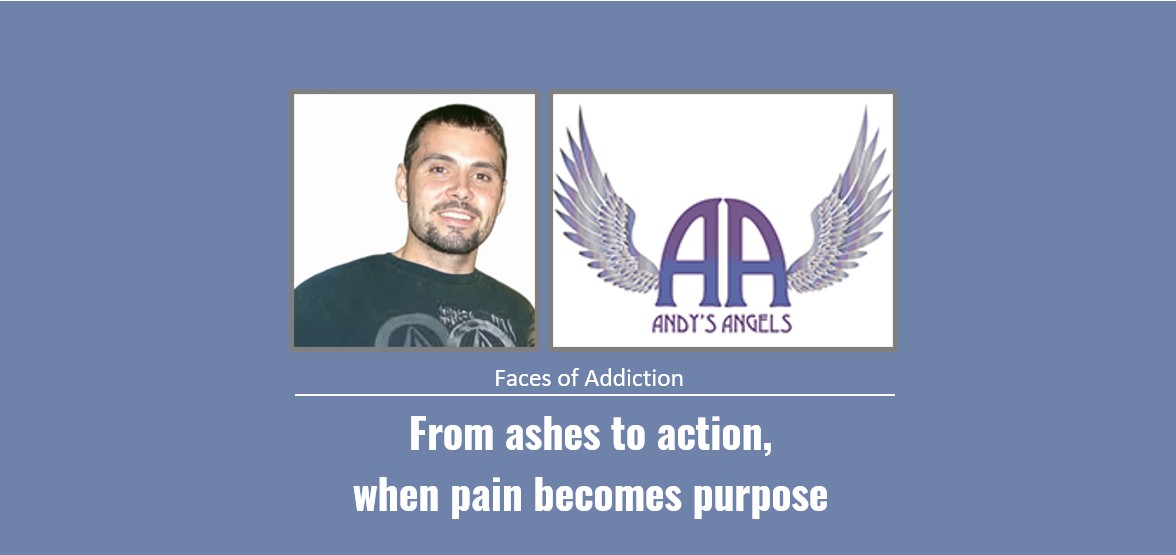
Faces of Addiction: From ashes to action, when pain becomes purpose
by Tina Cole-Mullins
(Editor’s Note: Faces of Addiction is a continuing series about people who experience drug addiction and the difficulty of recovery. By telling their stories, they hope to help others who are struggling and encourage them to seek treatment and healing.)
Michigan has been quietly reshaping how communities understand addiction and support long-term healing. What’s emerging is a broader Culture of Recovery—rooted in accountability, compassion, and the belief that people deserve more than a short-term fix.
Building on the Wright family’s story from previous issues, including last month’s “Faces of Addiction: From a drug court to a culture of recovery,” we see how this statewide shift takes shape locally. What were once isolated efforts have become a coordinated movement—driven by people who refuse to let addiction define their communities.
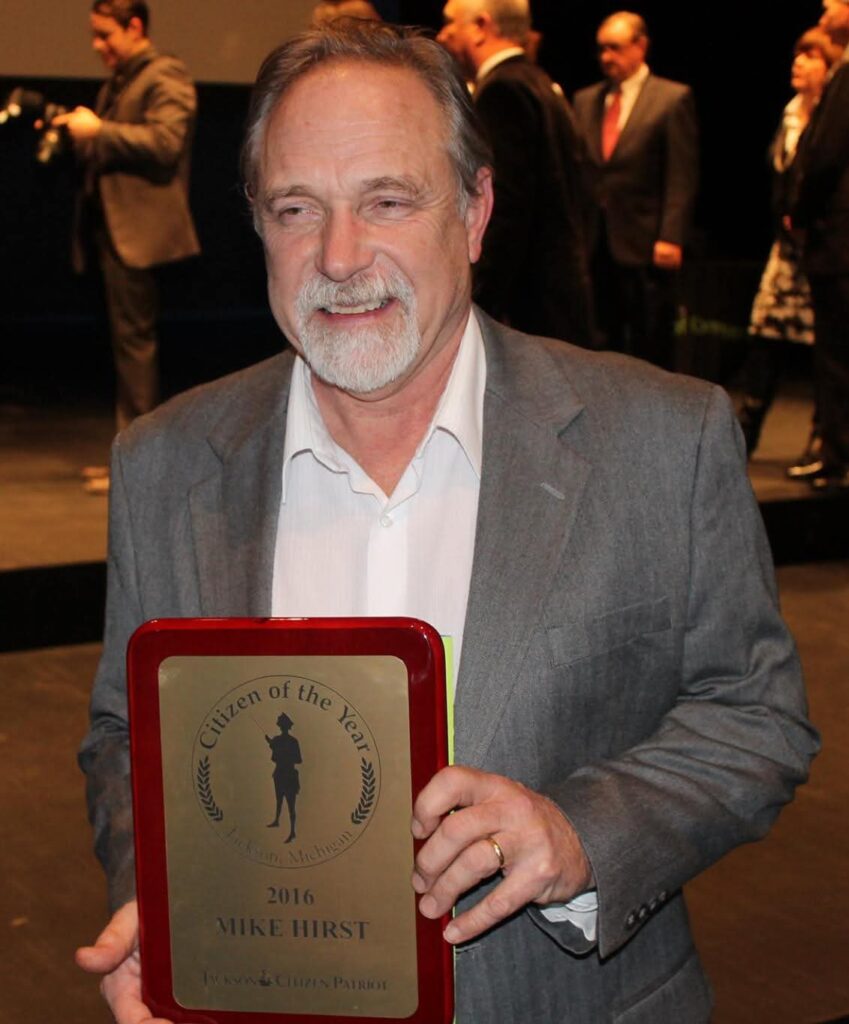
This month we focus on a father who was not going to let addiction have the final word. In Jackson County, that commitment took on a deeply personal form. In 2010, the Hirst family’s loss became the spark that gave this growing culture a local voice—one that would reshape the landscape in a remarkably short time.
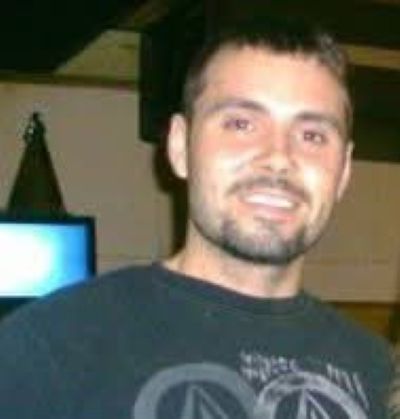
That voice belongs to Mike Hirst. Before his son Andy’s name became attached to a nonprofit or a housing community, Andy was simply Mike’s son—a young man whose struggle began quietly, as it does for so many families.
“We never had any problems with Andy growing up—the funniest kid I ever met at a young age,” Hirst recalled. “He always did what he was told. I don’t ever remember him being in trouble. I told my wife, ‘Something’s not right with Andy—he’s 16 years old and never been in trouble.’ Boy, I ate those words later.”
In July 2007, Andy began showing signs that something was wrong—missing work, unpredictable moods, and aggression that didn’t match the son Mike knew. When asked if he was using drugs, Andy denied it, but soon after admitted he was hooked on OxyContin. Hirst remembered thinking, “Here I was worried about you being hooked on that drug ‘heroin’ the kids are using these days.” He did not realize how similar the substances are.
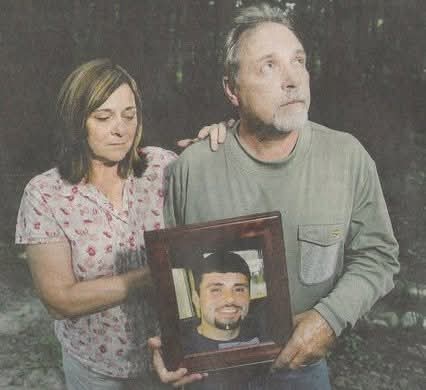
On May 19, 2010, Andy lost his fight with addiction. His fourth overdose claimed his life. The senior Hirst allowed himself three days to grieve. Then he “came out swinging.”
At Andy’s memorial service, Mike stood before family, friends, people in active addiction, a community stunned by the loss. In that moment of grief, he spoke plainly about what needed to change. That speech became the catalyst.
“A young man who had everything going for him, every opportunity in the world, and he died sitting in an outhouse at the age of 24,” Andy’s father recounted.
Together with his wife and daughters, Hirst decided Andy’s story would not end there. They would build something in his honor—something that might spare another family the same heartbreak.
Out of Andy’s ashes arose Andy’s Angels, a small nonprofit focused on support and awareness. And it soon grew into something larger. Through partnerships, persistence, and a belief that recovery deserves dignity, Andy’s Angels laid the foundation for Andy’s Place—Michigan’s first long-term recovery housing community built specifically for individuals in drug court.
Today, Andy’s Angels and Andy’s Place stand as central pillars in a growing community where healing is possible, families are supported, and hope is rebuilt one life at a time. Hirst’s guiding philosophy is “take away reasons why one can’t do something.” He believes in removing obstacles like unstable housing or lack of transportation, both of which can often derail recovery. Those efforts continue to strengthen a sober, supportive environment across Jackson County and beyond.
Inside Andy’s Place, the next story begins, one that shows what this recovery culture looks like day by day. That story belongs to Edward “Eddie” Forbes and his wife, Katrina.
Eddie grew up in Stockbridge, where his addiction began early—first with drinking and marijuana, then cocaine, and eventually methamphetamine. His use stretched across more than 20 years, escalating until it left him homeless. In an ironic twist he still reflects on, “I was homeless on the lot where I became resident manager.” Let that sink in.
In our next issue, we’ll continue the Hirst family’s story and share Eddie’s journey—how he found his way to Andy’s Place and what finally clicked for him.
Resources: Andy’s Place, Jackson. Individuals can now apply through a referral from a recovery specialist or program. To apply for residency at Andy’s Place: andysangels.net/about-us/
Photos from Andy’s Angels Facebook page