Stockbridge FFA students bring robotics, research to Dominican Republic
by Melissa McPherson
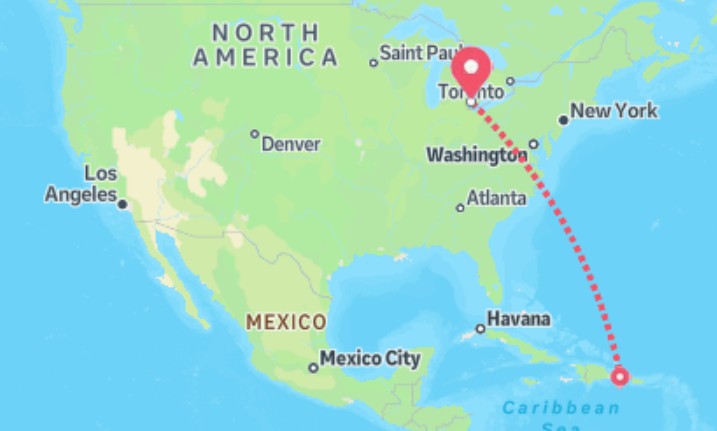
On Feb. 22, students from the Stockbridge Jr./Sr. High School FFA Underwater Robotics Team, escaped the frigid Michigan weather and boarded a plane to the Dominican Republic, but this was no tropical vacation. These students left on a mission that was to be focused on underwater robotics and environmental research.
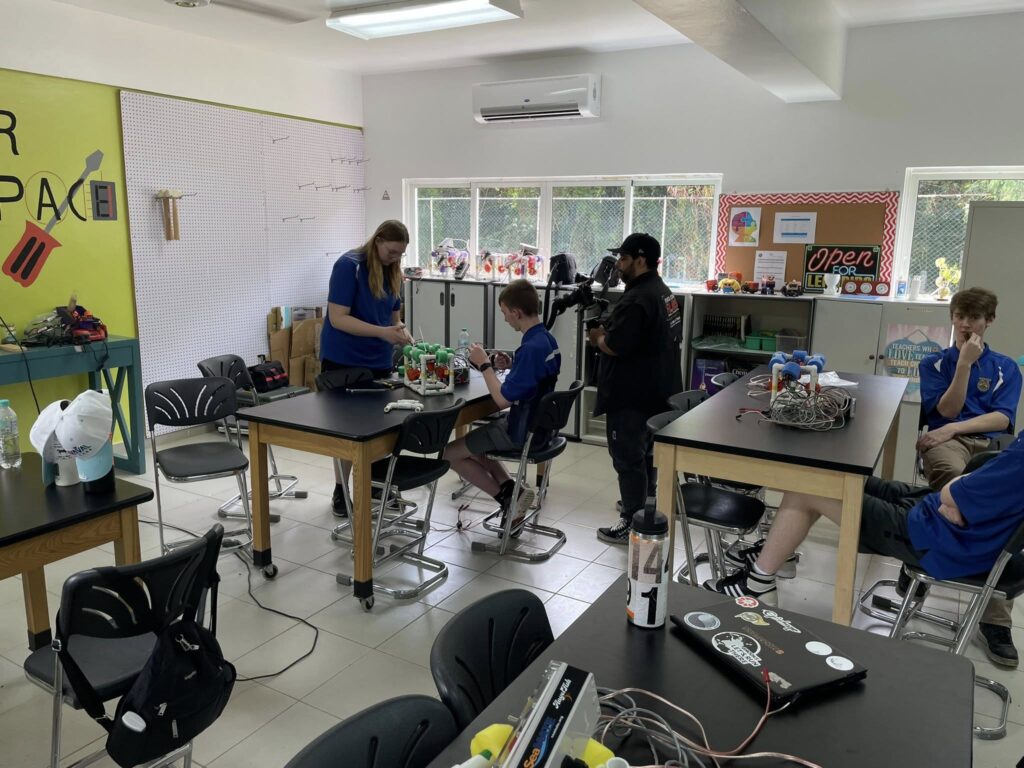
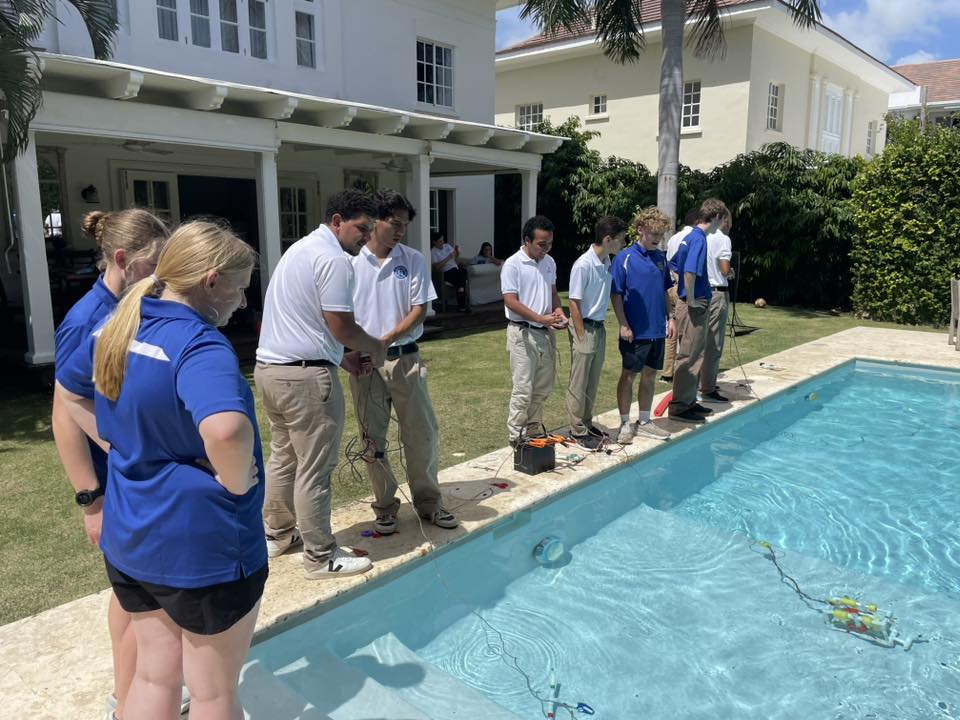
The first goal of the week-long trip was to partner with students at the Puntacana International School and teach them how to build underwater remotely operated vehicles (ROVs). These underwater robots are used by scientists to explore marine environments that are difficult for humans to access. William Gancer, one of the seven students who made the trip, said one of the biggest challenges was adapting lessons for students with different levels of experience.
“Some of them weren’t very mechanically inclined at first, so we had to teach basic skills like soldering and wiring,” Gancer said. “But they also surprised us with what they already knew, and that helped the process go more smoothly.”
While working with the students, Gancer also discovered new ways of doing things that he had never thought of before. These new insights should streamline future processes and ultimately make building the ROVs a little easier going forward.
The ROVs will be used to explore critical environmental issues—particularly the health of coral reefs. During a visit to a local coral research lab, students learned that only about 1% of the region’s coral remains, compared to 30 years ago. Scientists there are working to restore reefs through coral “fragging” and rehabilitation programs that might, someday, help restore the reefs in their natural environment.
Gancer emphasized the importance of coral ecosystems. “Coral reefs provide a home for about half of ocean species,” he said. “Without them, we could see major impacts on marine life, sea levels and even global climate.”
The ROVs that the students built together are critical to furthering research about coral reefs because they can help get to places where humans might not be able to, and they can stay underwater for a longer time to monitor any changes.
Beyond the science, the trip also included cultural immersion. Stockbridge students visited during the Dominican Republic’s Independence Day celebrations and observed differences in school structure, including a stronger emphasis on group learning and community. In return, the students from Stockbridge shared their own educational experiences and what it is like living in Stockbridge. Despite initial concerns about language barriers, Gancer said students quickly connected.
“They’re more similar to us than I expected,” he said. “We’ve stayed in touch since coming home.”
For many participants, the experience reshaped their view of science, technology, engineering and math (STEM). Gancer said he now sees STEM as more than just an area of study.
“I always thought that STEM was kind of just limited to one group of people, who really like math and science.” But through this trip, Gancer discovered that STEM can influence so many different things, including the environment.
FFA advisor Robert Richards said the trip stood out because students took on the role of teachers rather than tourists.
“They weren’t there sightseeing—they were there to teach skills to students their own age,” Richards said. “That requires a completely different level of understanding and confidence.”
Students also worked on public speaking and communication skills, delivering multiple presentations to audiences ranging from elementary-aged students to adults.
Funding the trip presented another challenge. The school was unable to help pay for the trip, so the team had to raise 100% of the funds themselves. In just six weeks, they were able to raise about $15,000, much of that coming from local businesses.
“That’s part of the learning experience,” Roberts said. “If they don’t raise the money, the trip doesn’t happen.”
For Gancer, the fundraising efforts were more than worth it. The trip was life changing. Because of his experience there, he is now considering going into a biology-centered engineering field and wants to continue helping with the research into the coral reef.
Looking ahead, the FFA Underwater Robotics Team hopes to return to the Dominican Republic in 2027. Future plans include building more advanced ROVs to assist with coral monitoring and helping partner schools develop hydroponics and aquaponics systems. Stockbridge students are also hopeful that students from the Puntacana International School may visit Stockbridge in the future, continuing their partnership and cultural exchange.
Community members interested in supporting future trips can donate to the Stockbridge FFA program through the school. For more photos of the Stockbridge students’ visit to the Dominican Republic and to see other FFA student activities, visit facebook.com/Stockbridge.FFA.MI .
All photos from the Stockbridge FFA Facebook page.