Rural Perspectives: Duckweed a tiny plant without true stems or leaves
by Diane Constable
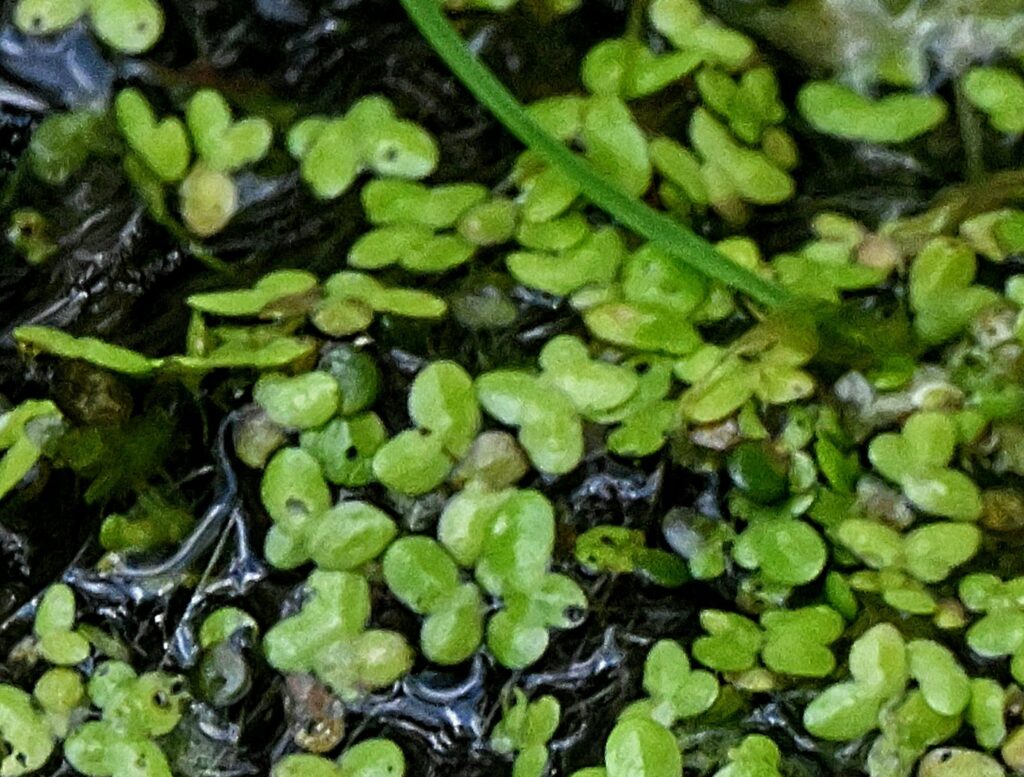
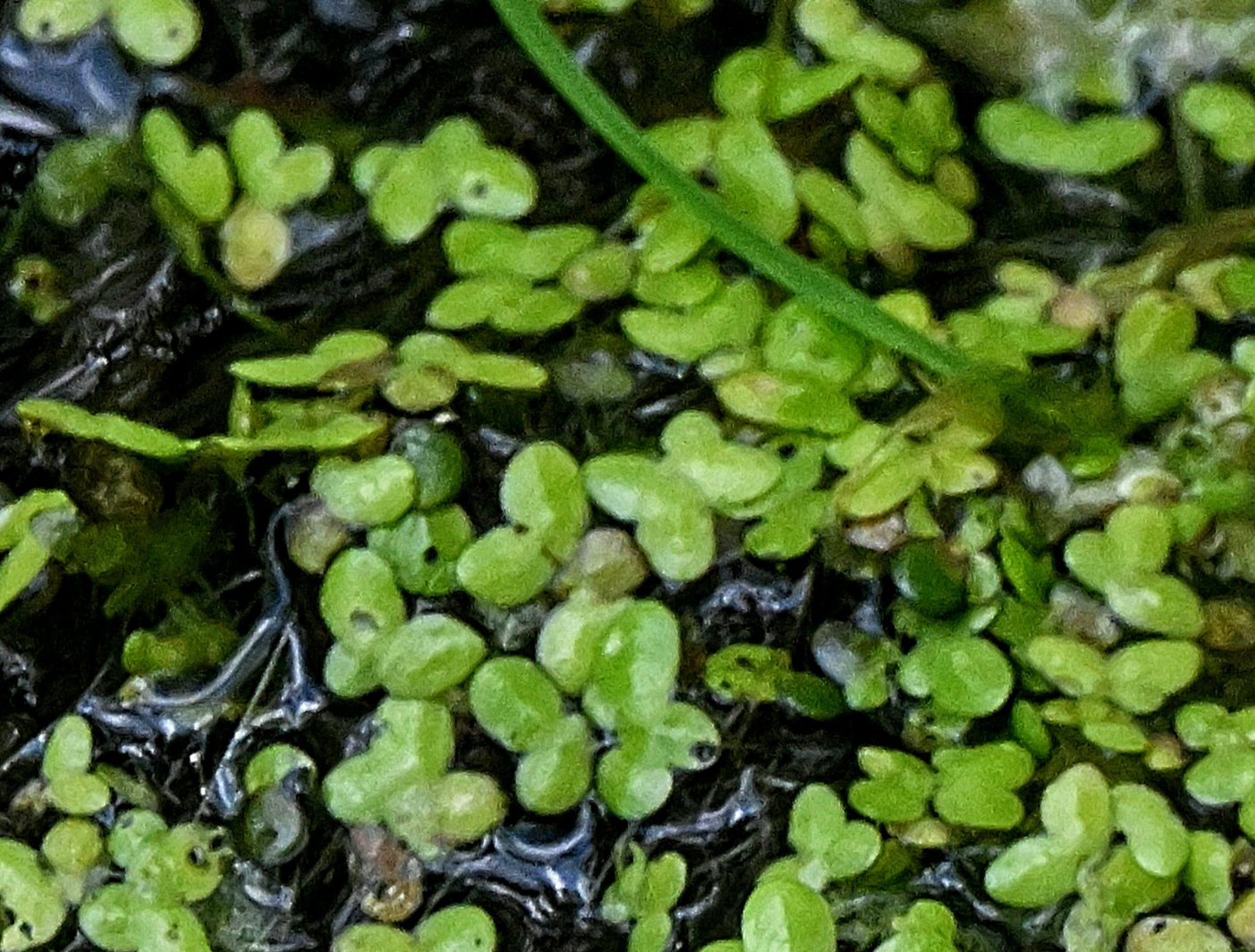
Duckweed (Lemna minor) is neither a duck nor a weed but is the tiniest flowering plant we have. It is found floating on the surface of slow-moving or still lakes, marshes, and ponds, where it can form large colonies of bright green vegetation.
This is a plant with no true stems or leaves. The leaf-like structure, or frond, measures less than one-quarter-inch long and is just a few cells thick. There is a tiny air pocket inside the frond, which helps it float.
They have two to four fronds, and as they grow more fronds, the plant divides into two plants. It can divide about once per day, potentially creating nearly 17,500 plants in two weeks. The plant also produces very tiny flowers, and the seed forms inside a floating air bag, which can float to another part of the waterway. The thin delicate roots bring nutrients to the duckweed, and the plants have a gummy substance, which causes them to stick to bodies and feet of birds and other animals. This enables the duckweed to be transferred to new water sources.
In the cooler weather, these plants sink to the bottom of the ponds until spring when they start growing again and float to the surface. It is a favorite food for ducks and other waterfowl and has been found to have more protein than soybeans. Frogs, water insects and small fish will hide in the duckweed.
Research shows that duckweed slows down water evaporation, filters phosphorus and nitrogen out of the waterways, and discourages algae growth and mosquitoes.
Fun Fact: Because duckweed is edible and full of micronutrients and antioxidants, NASA is considering growing it onboard spaceships as food for the astronauts.
As an avid photographer, Diane Constable regularly puts her formal education in both nature and photography to good use. Diane also enjoys gardening and her dogs. She serves on the board of the Ann Arbor Dog Training Club and is editor of the club’s newsletter.