Positive Parenting
Transparency is a two-way street; raise kids to be civically engaged
by Kelsey Rasmussen
As the digital world speeds up, our children learn instant gratification as the norm. Yet the gears of government turn much slower. The gap widens between how things get done and what youth have the patience to learn. It’s never been more important for youth to understand how decisions that shape their daily lives actually get made.
Until my forties, I dismissed local politics as, well, boring. My public school education never required me to attend a single local meeting, much less learn Robert’s Rules of Order for making a motion, seconding a motion, or demanding “Point of Order” to interrupt a long-winded tangent. This time-tested system may seem antiquated, but it enables meetings to be conducted predictably, fairly, and with consensus-based outcomes.
To put it in lingo our little ones understand, I’ll second Chili Heeler’s wisdom as she teaches Bluey and Bingo, “Boring things are still important.”
I was recently appointed to the Village Council and have been surprised by how much I didn’t know about how local decisions get made—and how easy it is to be involved.
The Open Meetings Act requires transparency: Meetings should be posted at least 18 hours in advance and open to the public (except under very special “closed meeting” conditions). Agendas typically invite audience members to address the board directly for up to 3-minutes in a “public comment” section. Boards are not required to respond to public comments, but a clerk or recording secretary types up the proceedings of the meeting as “minutes,” which are also required to be posted publicly and voted on for accuracy at the next meeting.
But if no one attends the open meetings, are they really transparent?
Transparency is a two-way street that requires active involvement by the government and the governed. Knowledge is power, even if gaining it sounds boring. Teach your children to start from a place of curiosity.
- Have you ever wondered where village toilet water goes after being flushed? We have wastewater treatment lagoons and a Utilities Committee!
- What happened to the school millage renewal? The school board is a good place to learn more!
- Why did the Village of Stockbridge council downsize the police force?
These are exactly the kinds of questions your family can bring to a meeting.
Check out the Community Calendar monthly in the Stockbridge Community News for municipal meeting dates and locations. Keep your local village or township’s website bookmarked and challenge yourself and your older kids to check it periodically. Equip you and your family with the tools for understanding—and perhaps influencing—how and by whom decisions are made.
Recurring Local Meeting Times
- Village of Stockbridge Council: 3rd Thursdays, 7:00 p.m., Village Hall, 118 N Center Street
- Village of Stockbridge Planning Commission: 1st Thursdays, 6:30 p.m. at the Village Hall
- Stockbridge Downtown Development Authority: 1st Mondays, 7:00 p.m. at the Village Hall
- Village of Stockbridge committee meetings are posted on the door of the Village Office
- Stockbridge Township Board: 3rd Mondays, 7 p.m. at the Stockbridge Township Hall lower level (enter on Elizabeth St. side of square).
- Stockbridge Township Planning Commission: 2nd Wednesdays, 7 p.m., at the Stockbridge Township Hall lower level (enter on Elizabeth St. side of square).
- Henrietta Township Board: 2nd Wednesdays, 7 p.m. at Henrietta Twp. Hall.
- Waterloo Township Board: 4th Tuesdays, 7 p.m. at Waterloo Township Hall.
- Unadilla Township Board: 2nd Thursdays, 7 p.m. Unadilla Township Hall.
- Stockbridge School Board: 2nd and 4th Mondays, 6:30 p.m. at the Jr/Sr High School Library
Activity Highlight:
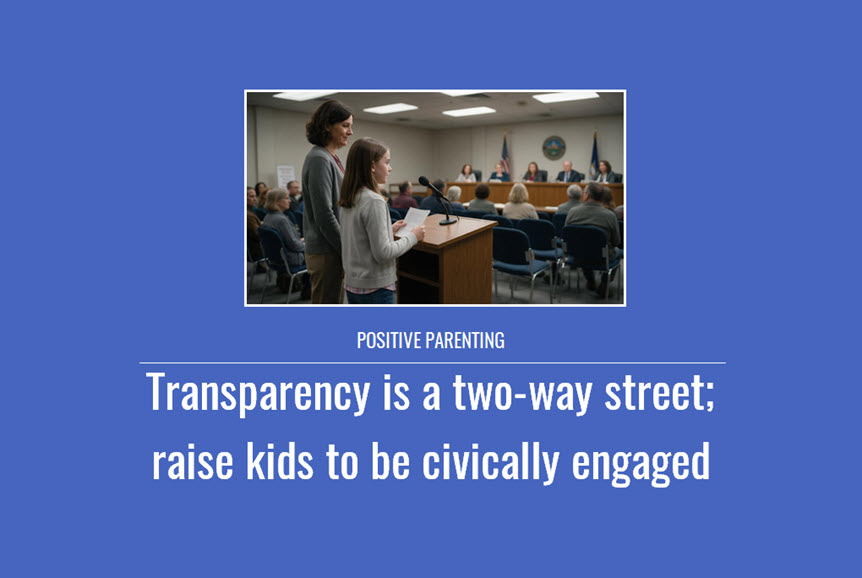
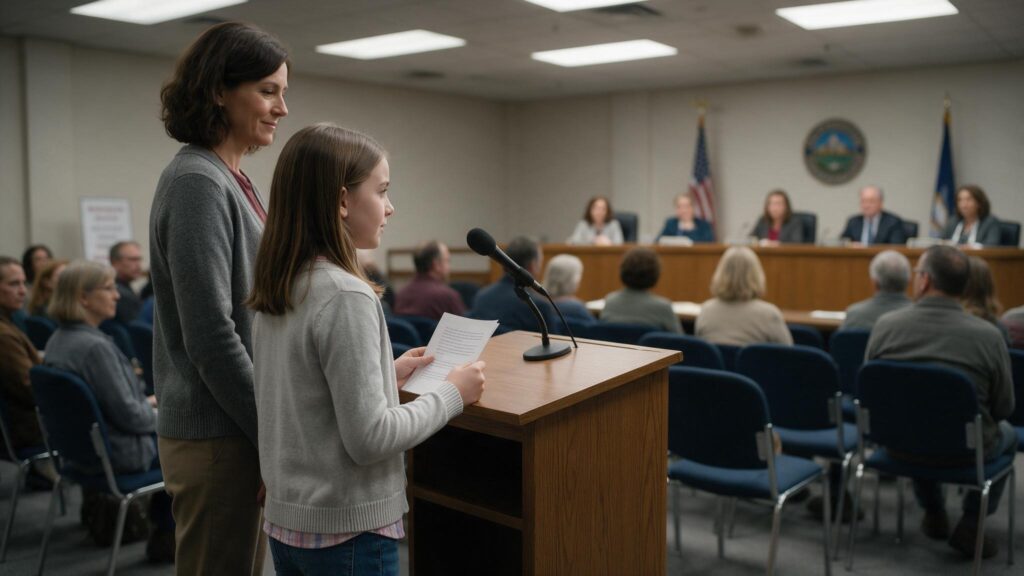
Skip the TV one evening, and instead, talk with your child. Find a local topic they’re curious about, then plan to attend a meeting together if appropriate. Read the previously posted minutes on your local village or township website. Make a list of questions, or even prepare and rehearse a two-minute speech together. Show up to a meeting and let your locally elected or appointed officials know your opinions, questions, and priorities. Your presence is your voice!

Related Posts

Adiska Family Dental—Accepting New Patients
A message from your new village manager